

Shoe care
Give your shoes the best conditions for a long and happy life by caring for them regularly. Well-maintained shoes last longer and look great — and it might not take as long as you think!
For daily use we recommend following a care routine every 14 days – wind and weather also play a decisive role in how often this is necessary.
Below you can see how to best care for the different materials:
Smooth leather shoes
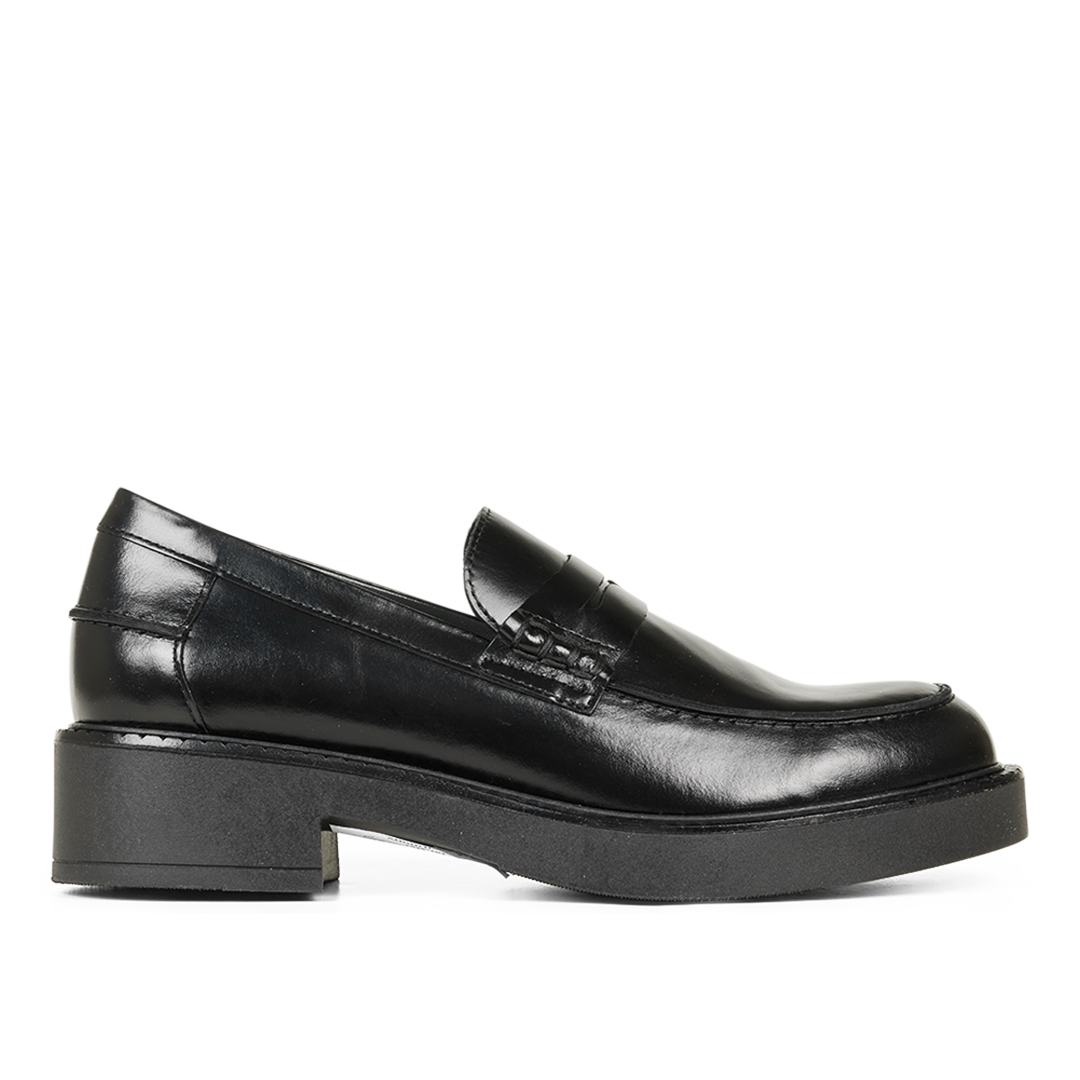
We recommend that all leather shoes be waterproofed 2–3 times before use.
If the shoes are worn daily, they should be waterproofed about every 14 days (especially important for winter shoes and boots). Stains, dirt, etc. on the leather can be removed with a damp cloth or cleaned with a combi cleaner.
To refresh the color and moisturize the leather use shoe cream. For black shoes we recommend black shoe cream, while other colors can be cared for with a matching shade or a neutral shoe cream.
If you need a quick refresh, you can use a shoeshine sponge for a fast boost. Shoeshine and combi cleaner, however, cannot replace care with shoe cream.
You can also use leather grease, but since leather grease and shoe cream do not mix well, you should choose one or the other. The leather may become slightly darker after an application of leather grease, but you then usually don’t need to waterproof, as it leaves a protective layer on the leather.
Suede and nubuck shoes
We recommend that all suede and nubuck shoes be waterproofed 2–3 times before use.
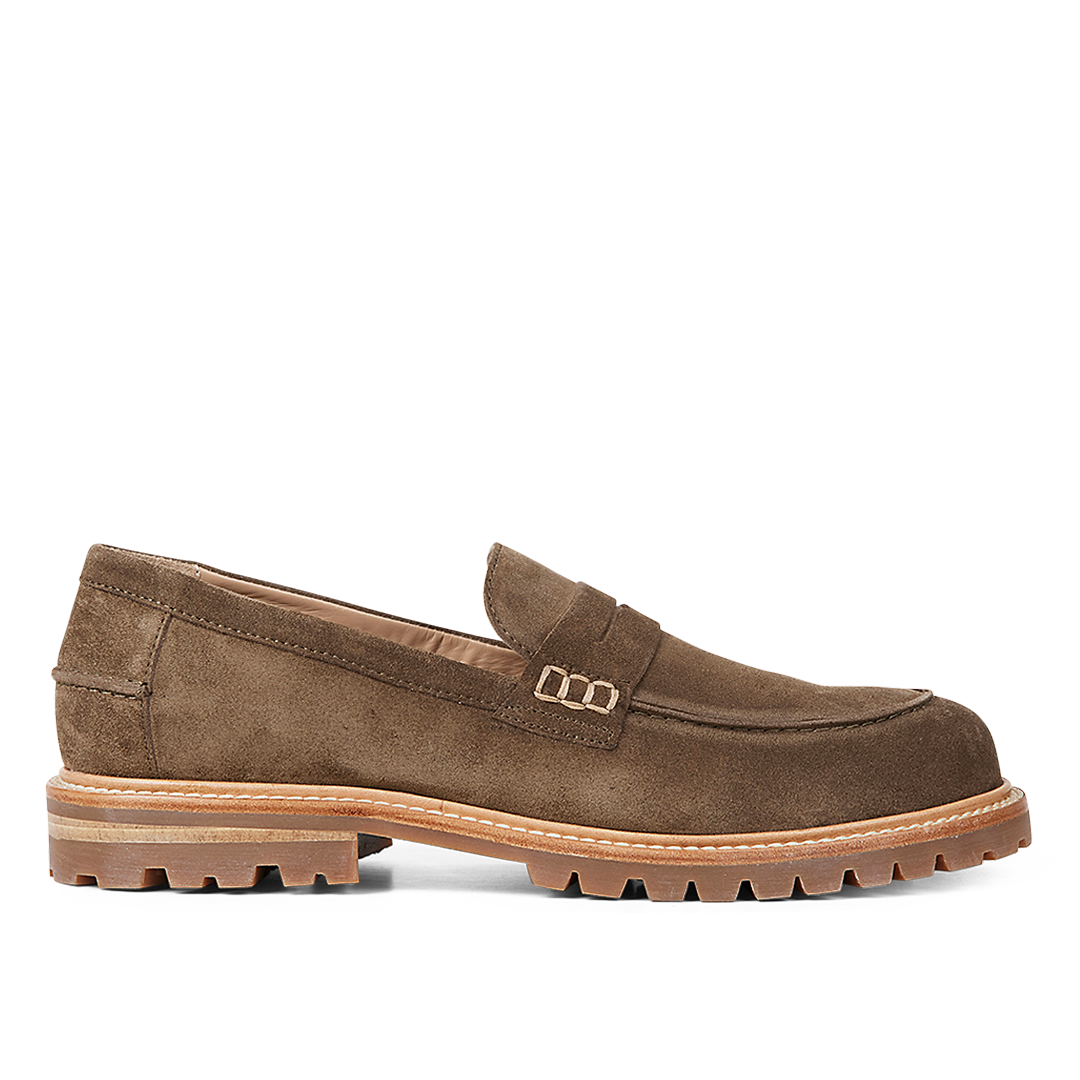
If the shoes are worn daily, they should be waterproofed about every 14 days (especially important for winter shoes and boots). Suede and nubuck must not be wiped with a damp cloth. Instead, let the shoe dry and brush the dirt away with a ruskindsbørste - if that is not enough you can use a combi cleaner that cleans deeply and removes most stubborn stains. After that treat with ruskindspleje and/or waterproofing.
To care for suede and nubuck use ruskindspleje, which is great for refreshing the color and moisturizing the suede/nubuck. The shoe is gently dabbed with the liquid using the applicator sponge. You can use ruskindspleje as needed when the shoes need a color refresh — perhaps only on the toe area, which is often more exposed.
Glitter shoes
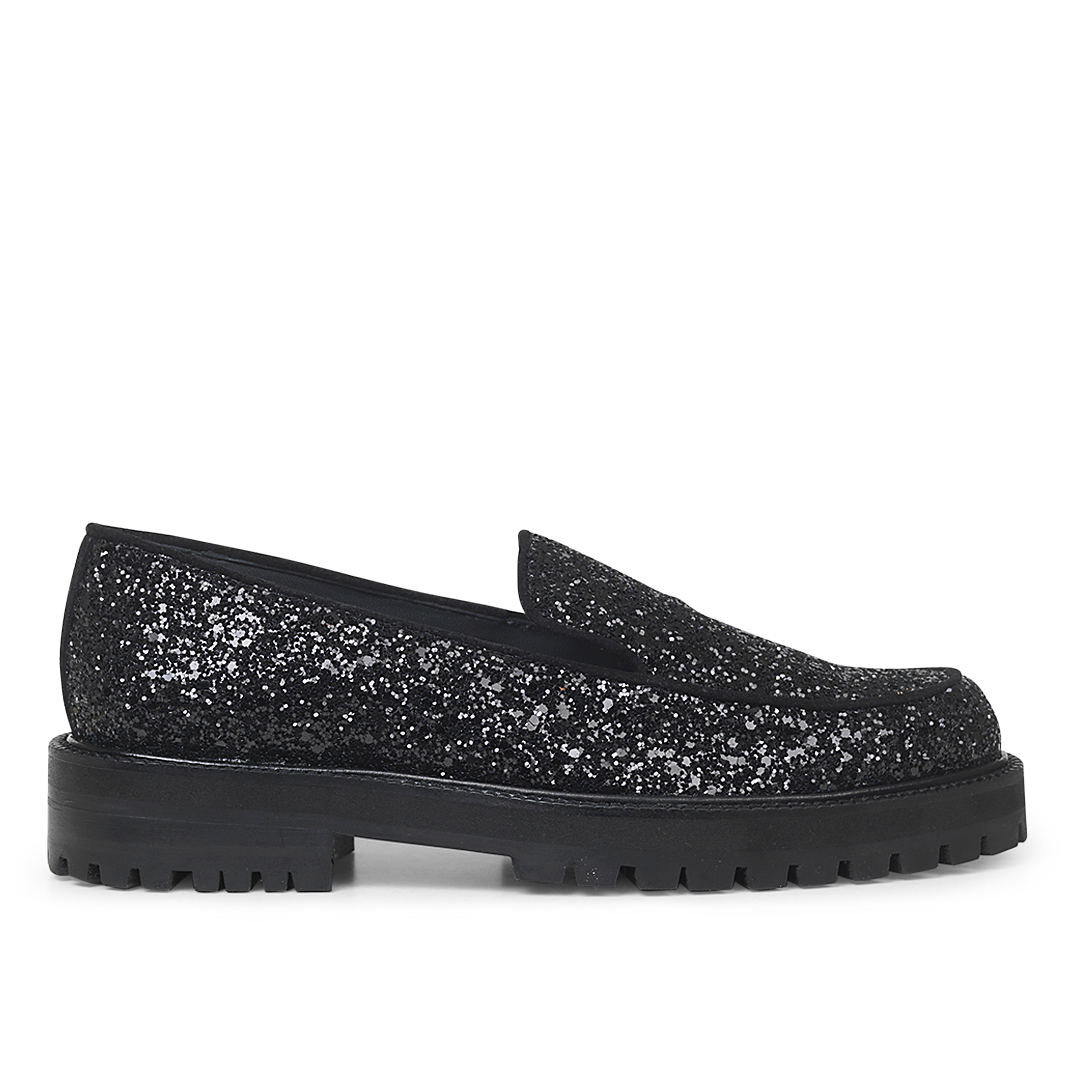
The glitter is applied on top of a piece of canvas with a real leather lining on the back. The shoe does not need any care or waterproofing, as the glitter and canvas are partially water-repellent and waterproofing or other care products can make the glitter dull. If a little dirt gets on the shoes, you can very gently use a damp, wrung-out cloth to “dab” it away.
Glitter residue from production may shed a little during the first days of use. The surface is delicate when in direct contact with hard abrasive surfaces, impacts or other improper use.
Canvas/Textile shoes
Canvas/textile is more delicate than leather shoes. It is therefore important that these are waterproofed before use and at regular intervals. It is important to spray waterproofing from a good distance, about 30 cm from the shoe, so that no marks form from the waterproofing liquid.
Gummistøvler
Our gummistøvler are made from 100% natural rubber and should be regularly cared for with gummistøvlepleje, e.g. a silicone product, which ensures that dirt, salt and other grime cannot work into the natural rubber and discolor the boot. At the same time, care extends the boot’s life, as the natural rubber is kept soft and flexible and does not dry out, which can cause cracks or discoloration.
Patent and croco shoes
Patent and croco shoes must not be waterproofed, so do not apply waterproofing to them. Patent requires virtually no maintenance. A damp cloth will go a long way in removing dirt and grime. In addition, you can buy a patent care product that cleans and cares for the patent and gives it a nice shine. Patent care is colorless and therefore suitable for all patent colors.
Be aware, however, that if you get a scratch in the patent surface, you cannot repair/polish the patent as you often can on a regular leather surface.
crepe rubber soles
crepe rubber is a natural material that can react to both heat and cold. You should therefore not leave shoes with crepe rubber soles directly in the sun on a summer day — the sole can melt in extreme heat and become deformed.
The crepe rubber sole can become hard and crystallize over time. This can be resolved by placing the shoe on a medium-warm radiator under supervision for about 30–60 minutes, or until they are soft and flexible again.
If the crepe rubber sole becomes sticky, it can easily be repaired by a cobbler. The cobbler can remove a thin layer of the crepe rubber sole and then apply talc.
Avoid smelly shoes and feet
People vary a lot in how much their feet sweat. But especially woolen winter boots and sandals can become very warm inside and the shoe’s insole damp. Therefore give your favorite shoes a few days’ rest from time to time so they have a chance to dry completely. This reduces bad odors and creates a better climate for your feet.
Be aware of excess dye
Leather can — like textiles — release a little color at first when you wear the shoes. The amount of excess dye varies and depends on how much moisture/sweat is released from the foot. The release of excess dye can be most noticeable in darker colors, but can also occur from lighter leather types. The excess dye disappears after a while and is not harmful. We therefore recommend starting with a dark sock, as the excess dye can be noticeable on white socks.
Frequent use of a waterproofing product can seal most dye stains from leather and protect the leather from moisture and water.
You cannot wash leather like you wash excess dye out of textiles in a washing machine. But if you want to remove the excess dye, you can carefully make a solution of 1 part water and 1 part clear household vinegar (ratio 1:1) and, with a cloth, wipe the lining inside the shoe or boot, possibly over a couple of rounds, to remove the worst of the excess dye. The method cannot be used on the upper/outside.
Off-season storage
When the season changes and the shoes are to be packed away, you should care for them. That way you can also look forward to unpacking nice shoes when the season returns.
Clean the shoes according to the material as described above and clean the sole well. When the shoes are dry, they can advantageously be packed into a shoebox, which with its dry climate is the best place to store shoes and ensures they are not crushed or dusty.
Shoes should preferably not be stored too hot or too cold, but optimally at room temperature.